
Mold Testing in Kintnersville, PA

Find Out What's Actually Growing in Your Home

Professional mold testing that gives you clear answers, not sales pitches—so you know exactly what you’re dealing with.

Hear from Our Customers

Professional Mold Testing Kintnersville

Stop Guessing About Your Indoor Air Quality

You’ve noticed the musty smell. Maybe you’re dealing with allergy symptoms that won’t quit, or you’re tired all the time at home but feel better when you leave. You’ve probably wondered if it’s mold, but you’re not sure where to look or how bad it really is.

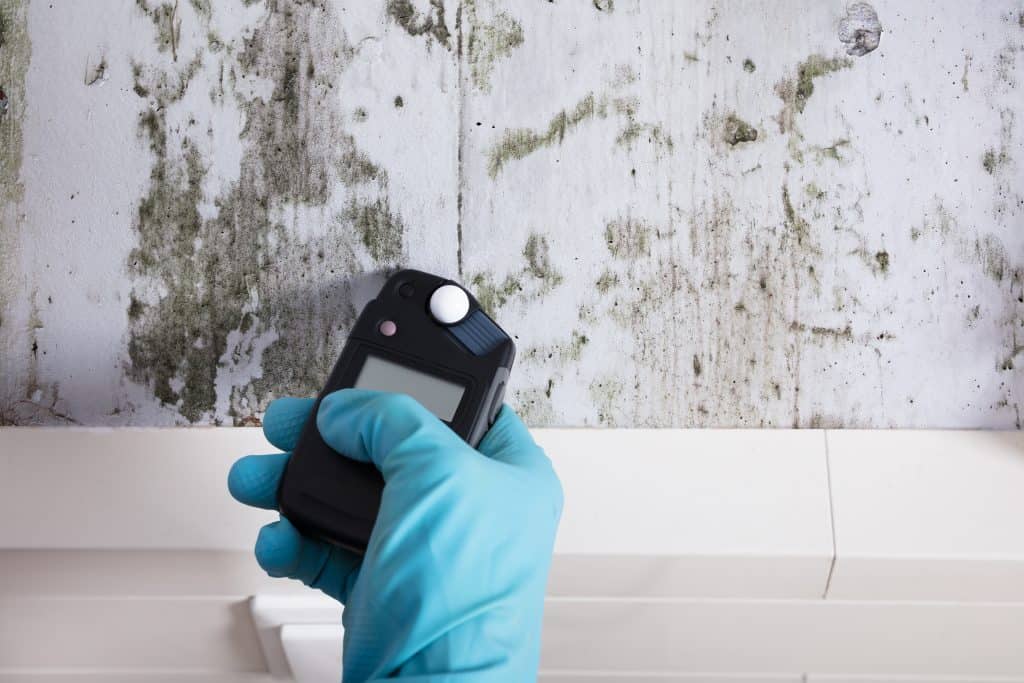
That’s where professional mold testing comes in. We use thermal imaging and moisture mapping to find mold you can’t see—behind walls, under floors, in your HVAC system. Then we collect air samples and send them to an independent certified lab for analysis. No guessing. No exaggeration. Just facts about what’s in your air and where it’s coming from.

You get a clear report that tells you what types of mold are present, how concentrated the spores are, and what needs to happen next. If there’s a problem, you’ll know exactly what it is. If there isn’t, you’ll have peace of mind. Either way, you’re making decisions based on real data instead of worry.

Mold Testing Company Kintnersville PA

Three Decades Serving Bucks County Homeowners

We’ve been testing and removing mold in Kintnersville and throughout Bucks County for 30 years. We’ve seen what happens when mold gets ignored in older Pennsylvania homes, especially during those humid summer months when conditions are perfect for growth.

We’re not here to scare you or sell you services you don’t need. Our job is to test your property thoroughly, send samples to independent labs, and give you honest results. We use the same Air-O-Cell cassettes and calibrated pumps that 90% of professional industrial hygienists rely on—because accuracy matters when you’re making decisions about your home and your family’s health.

You’ll work with certified professionals who take time to explain what we’re doing and why. We follow EPA and IICRC S520 standards, and we treat your home the way we’d want ours treated.

Residential Mold Testing Process

Here's Exactly What Happens During Your Inspection

First, we walk through your property and talk about what you’ve noticed—smells, visible growth, water damage, health symptoms. We’re looking for moisture sources and conditions that support mold growth.

Then we use infrared moisture mapping and thermal imaging to check areas you can’t easily inspect yourself. We’re looking behind walls, under flooring, around windows, in crawl spaces, and inside your HVAC system. If there’s hidden moisture, we’ll find it.

Next comes air sampling. We collect samples from different areas of your home using calibrated pumps and professional-grade cassettes. We also take an outdoor control sample—this establishes a baseline so we can tell if your indoor levels are actually elevated. DIY kits skip this step, which is why they’re often meaningless.

The samples go to an independent certified laboratory for analysis. You’ll get a detailed report showing what types of mold are present, spore concentrations, and how your indoor air compares to outdoor levels. We review the results with you and explain what they mean in plain language. If remediation is needed, we’ll tell you what that looks like. If your air quality is fine, we’ll tell you that too.

Ready to get started?

Explore More Services

About Mack's Mold Removal

Black Mold Test Kintnersville PA

What's Included in Professional Mold Testing

You get a complete property inspection using professional diagnostic equipment—not a quick visual check. We’re talking thermal imaging, moisture meters, and infrared technology that reveals problems you’d never spot on your own.

Air sampling in multiple locations gives you a complete picture of your indoor air quality. We test the areas you’re concerned about, plus spaces where mold commonly hides. The outdoor control sample is critical—it’s how we know if your indoor spore counts are actually a problem or just normal for Bucks County’s climate.

Independent lab analysis means you’re getting unbiased results from certified professionals who have no stake in what we find. The lab identifies specific mold types and measures concentration levels. This matters because not all mold is the same, and knowing what you’re dealing with determines the right response.

You receive a written report with clear findings and recommendations. If remediation is necessary, you’ll know what needs to be addressed and why. If your home tests clean, you’ll have documentation for your records or for real estate transactions. Some homeowner insurance policies cover mold remediation when it results from sudden water damage like burst pipes, and professional documentation supports those claims.

How much does professional mold testing cost in Kintnersville?

Professional mold testing in Kintnersville typically starts around $300 for a basic inspection with air samples. More comprehensive testing averages $671 and can go up to $1,043 depending on your home’s size and how many areas need testing.

The cost covers the inspection itself, professional equipment use, air sample collection, independent lab analysis, and a detailed report with findings. You’re paying for accuracy and expertise—the kind that actually tells you what’s happening in your home instead of giving you vague results you can’t act on.

If you’re buying or selling a home, this testing often pays for itself. Unchecked mold can reduce property values by 20-37%, and buyers will want documentation before closing. If you’re dealing with health symptoms or recovering from water damage, professional testing tells you whether remediation is necessary or if you’re in the clear.

DIY test kits from hardware stores usually just tell you that mold is present—which isn’t particularly useful since mold exists in almost every home. They don’t measure concentration levels, they don’t compare indoor to outdoor spore counts, and they can’t find hidden mold behind walls or in your HVAC system.

Professional mold testing uses calibrated equipment and proper sampling techniques. We collect air samples from multiple locations, including an outdoor control sample that establishes what’s normal for your area. The samples go to independent certified labs that identify specific mold types and measure spore concentrations. This tells you whether you actually have a problem or if what you’re seeing is normal environmental mold.

We also use thermal imaging and moisture mapping to find mold growing in places you can’t see. That’s usually where the real problems are—not the small patch of surface mold you spotted in the bathroom. Professional testing gives you actionable information instead of just confirming that yes, mold exists somewhere in your house.

The inspection and sampling process usually takes two to three hours for an average-sized home. We’re not rushing through your property—we’re checking thoroughly for moisture sources, visible growth, and hidden problem areas.

The actual air sampling takes about 10 minutes per location, but we’re also using thermal imaging to scan walls, checking moisture levels, inspecting your HVAC system, and documenting conditions throughout your home. If you have a larger property or specific areas of concern, it might take longer.

Lab results typically come back within three to five business days. Once we have the report, we’ll contact you to review the findings and answer your questions. If remediation is needed, we can usually start within a week. If your home tests clean, you’ll have documentation and peace of mind.

Get your home tested if you’re experiencing persistent musty odors, even if you can’t see visible mold. That smell means mold is actively growing somewhere, and it’s often in hidden spaces like wall cavities or under flooring.

You should also test if you or your family members have worsening allergy symptoms, respiratory issues, persistent fatigue, or sinus problems that improve when you leave the house. These are common responses to elevated mold spore levels, especially for children, elderly family members, or anyone with compromised immune systems. Asthma risk doubles in homes with mold problems.

Testing makes sense after any water damage—burst pipes, roof leaks, flooding, or even persistent condensation issues. Mold can start growing within 24-48 hours of water exposure, and it often develops in places you can’t easily inspect. If you’re buying or selling a home in Kintnersville, professional testing provides documentation that protects everyone involved in the transaction.

Bucks County’s hot, humid summers create ideal conditions for several mold types. Stachybotrys chartarum—commonly called black mold—grows on water-damaged materials like drywall, wood, and ceiling tiles. It’s the one most people worry about because it can produce mycotoxins that affect respiratory health.

Aspergillus and Penicillium are extremely common in Pennsylvania homes. They grow on damp surfaces, in HVAC systems, and on materials with even minor moisture problems. These molds can trigger allergic reactions and respiratory issues, especially in people with sensitivities.

Cladosporium thrives in both warm and cool conditions, which is why you’ll find it year-round in Kintnersville. It grows on fabrics, wood surfaces, and in HVAC systems. Professional testing identifies exactly which molds are present in your home and at what concentration levels, so you know whether you’re dealing with normal environmental exposure or an actual infestation that needs remediation.

Yes—that’s the whole point of professional testing. The lab analysis shows specific mold types and spore concentration levels, then compares your indoor readings to the outdoor control sample. If your indoor levels are significantly elevated compared to outdoor levels, remediation is necessary.

The report also identifies where moisture problems exist, which tells you what’s feeding the mold growth. Sometimes the fix is straightforward—repair a leak, improve ventilation, address a drainage issue. Other times you’re looking at contaminated materials that need professional removal and disposal following EPA guidelines.

We give you clear recommendations based on the lab results, not on what we’d like to sell you. If your spore counts are normal and there’s no hidden growth, we’ll tell you that. If you need remediation, we’ll explain exactly what that involves and why it’s necessary. You’re making decisions based on scientific data, not someone’s opinion or sales pitch.

Other Services we provide in Kintnersville